

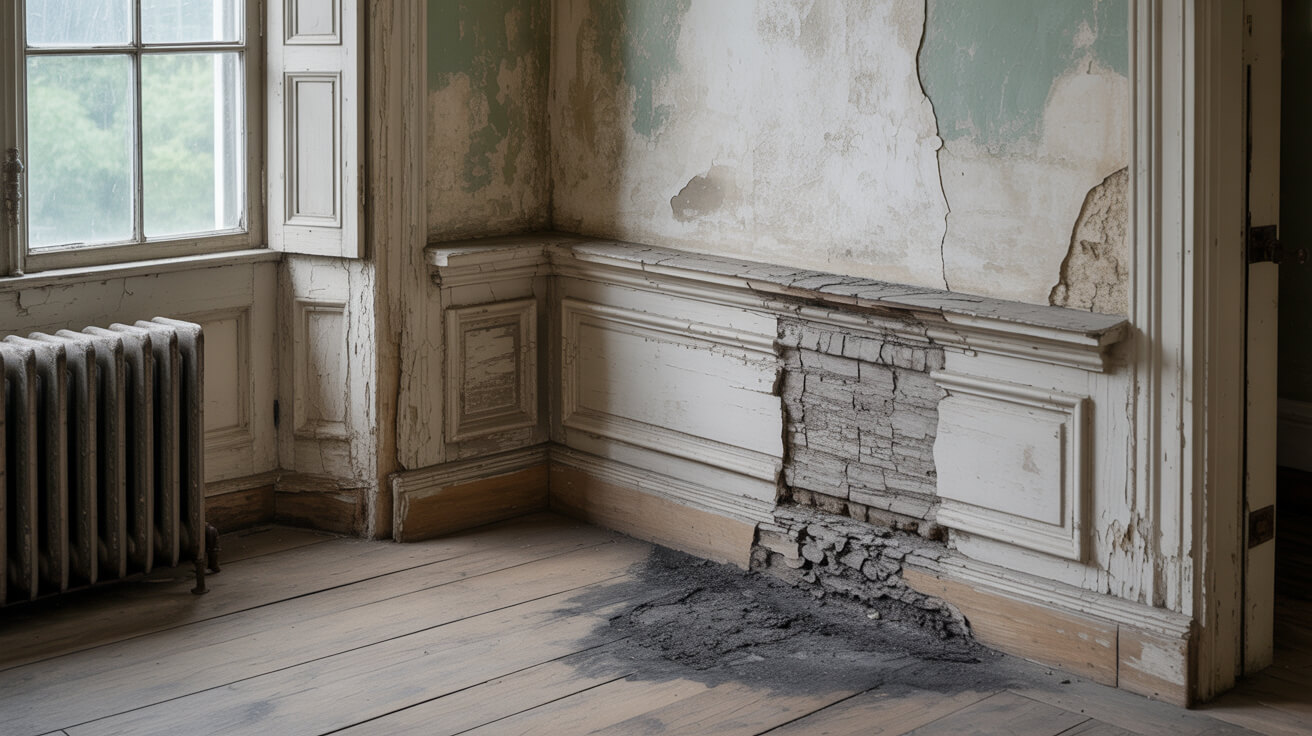
Approved Document C plays a significant role in the sustainable management of moisture and thermal efficiency within buildings. It offers detailed guidance on measuring, diagnosing, and treating damp conditions, ensuring interventions meet both regulatory demands and heritage conservation standards. The document is widely used by surveyors, conservation officers, and property owners to achieve a careful integration of modern techniques with historical authenticity.
Through a series of prescribed protocols and performance targets, Approved Document C supports the maintenance and retrofit of heritage properties, addressing challenges such as rising damp, condensation, and moisture ingress. Its implementation helps manage risks that affect a building’s structural stability, energy performance, and heritage value, which are critical aspects in reducing damp-related deterioration over time.
Etymology or Name Origin
The designation “Approved Document C” originates from the structured set of guidance documents developed under the framework of the United Kingdom’s building regulations. Historically, each document is assigned a letter identifier, with Document C being allocated to topics encompassing thermal performance, energy efficiency, and moisture control. Its name reflects a formal approval process whereby the document has been sanctioned by regulatory authorities as an essential tool for ensuring building safety and performance, particularly in environments with delicate historical attributes.
Overview / Context
Approved Document C functions as a vital component within the broader landscape of building regulation and environmental performance management. It sits at the intersection of modern building technology and heritage conservation, addressing the dual imperatives of ensuring energy efficiency while preserving the historical and architectural integrity of heritage properties and listed buildings.
In the current regulatory framework, the document provides detailed technical and procedural guidance that supports installation practices, monitoring systems, and maintenance strategies. It outlines performance measures for damp proofing systems, including criteria for damp proof course installation, thermal insulation, and moisture management techniques. This ensures that remedial actions effectively reduce damp-related issues without compromising the unique characteristics of historic buildings.
Approved Document C is integral for a variety of stakeholders. For property owners and managers, it serves as a benchmark for ensuring that heritage assets can be adapted for modern occupancy while maintaining compliance with stringent regulatory standards. For professionals such as building surveyors and conservation officers, it provides a detailed methodology for assessing damp conditions and guiding treatment practices that are sensitive to the needs of historical conservation.
History
The evolution of Approved Document C reflects ongoing developments in building science, energy efficiency practices, and heritage conservation methodologies. Its history can be divided into distinct phases, each marked by updates that respond to technological advancements and shifting regulatory priorities.
Origins and Early Adoption
Approved Document C emerged during a period when the UK government was keen to modernise building regulations to incorporate innovative approaches to energy efficiency and moisture management. Initially, the focus was on establishing baseline criteria that generic construction practices could follow. However, as awareness grew regarding the unique challenges faced by heritage properties, early versions of the document began to incorporate measures tailored specifically to historic buildings. These provisions addressed the need to preserve original materials and construction techniques while still offering effective damp control solutions.
Regulatory Milestones
Several significant revisions have shaped the current version of Approved Document C. Early amendments introduced clearer definitions and performance benchmarks for damp proofing, as well as standardised measurement protocols. Over time, the document has been harmonised with industry standards such as BS6576 and BS8102, which provide technical details on damp diagnosis and damp proof course installation, respectively. Furthermore, the integration of retrofit guidelines, notably PAS2035, underscored the need for flexible approaches in heritage conservation. Each regulatory milestone has contributed to a more robust framework that balances modern efficiency with traditional preservation practices.
Contemporary Evolution
In recent years, the evolution of Approved Document C has been influenced by a combination of environmental imperatives and technological progress. Increased emphasis on energy efficiency has driven the inclusion of advanced criteria for thermal performance and moisture monitoring. Innovations in sensor technologies, such as real-time moisture measurement and thermal imaging, have been woven into the document’s practical recommendations. Simultaneously, there is greater recognition of the necessity to protect the historic substance of buildings; therefore, the guidelines now advocate for minimally invasive techniques that align with conservation ethics. The contemporary iteration of Approved Document C represents a synthesis of past lessons and prospective considerations, ensuring its ongoing relevance in both new construction and the preservation of heritage assets.
Concept / Description
Approved Document C is defined by its methodical compilation of standards and practices regarding moisture management and thermal efficiency in buildings. Its primary purpose is to provide a structured framework for damp proofing that meets both contemporary performance standards and the preservation needs of heritage structures.
Definition and Scope
At its core, Approved Document C is a statutory guidance document embedded within the United Kingdom’s Building Regulations. Its scope includes a broad range of criteria related to managing moisture, delineating precise procedures for assessing, mitigating, and monitoring damp conditions. The document defines performance expectations for thermal insulation, ventilation, and the effective installation of damp proof courses, with additional provisions tailored for heritage and listed properties. This expanded scope ensures that even historically significant buildings can benefit from modern techniques while retaining their historical integrity.
Core Components
The document is composed of several key components that collectively ensure effective moisture management:
- Site Preparation: Guidelines for a thorough assessment of the building site, identifying potential pathways for moisture ingress and specifying necessary preparatory actions.
- Material Specifications: Detailed recommendations on the use of materials that not only comply with modern performance standards but are also compatible with traditional building substrates found in heritage properties. This includes preferred materials for insulation, damp proof membranes, and compatible coatings.
- Moisture Management Strategies: A set of procedures aimed at controlling and mitigating damp conditions. These include specified techniques for controlling condensation, installing damp proof courses, and ensuring Effective ventilation systems.
- Compliance Framework: Instructions that integrate Approved Document C with other related standards such as BS6576, BS8102, and PAS2035. This integration provides a holistic view of the criteria necessary for achieving compliance and reinforces the document’s role within the broader regulatory landscape.
Underlying Regulatory Principles
Approved Document C rests on several fundamental principles:
- Energy Efficiency: It emphasises the need for buildings to achieve high levels of thermal performance, thus reducing energy consumption through effective insulation and ventilation.
- Moisture Control: The document sets forth rigorous standards for controlling damp and condensation, thereby protecting building fabric and occupant health.
- Sustainable Intervention: Approved Document C advocates for remedial procedures that are sustainable over the long term. This includes recommending techniques that are both effective in the short term and durable enough to minimise future maintenance.
- Heritage Sensitivity: Special provisions are made to ensure that interventions on heritage properties are respectful of their historical character. This aligns modern building performance goals with conservation objectives by ensuring that interventions are minimally invasive.
Functionality / Purpose / Applications
The practical application of Approved Document C is multifaceted, serving as both a technical blueprint and a regulatory roadmap for implementing effective damp proofing measures, especially in the nuanced context of heritage properties and listed buildings.
Practical Use and Implementation
In the field of damp proofing, Approved Document C delineates a series of steps that professionals must follow to ensure both compliance and the longevity of treatment measures. It is utilised in several practical contexts:
- Design and Planning: Architects, engineers, and surveyors incorporate guidelines from Approved Document C during the planning phases of both new construction and retrofit projects. This ensures that interventions are designed to prevent moisture ingress while balancing thermal performance requirements.
- Inspection and Assessment: Building surveyors rely on the documented standards to assess moisture levels, identify potential damp issues, and document the condition of heritage properties. The document provides standardised metrics that allow for objective evaluations.
- Treatment and Remediation: Contractors adopt Approved Document C protocols during the execution of damp proofing treatments. This involves the installation of damp proof courses, application of compatible insulation materials, and integration of advanced ventilation solutions.
- Maintenance and Monitoring: Property managers and maintenance personnel use the guidelines to conduct regular inspections, leveraging technology such as moisture sensors and thermal imaging to confirm that the implemented measures continue to perform as intended.
Intended Benefits and Expected Outcomes
The structured application of Approved Document C yields a variety of benefits:
- Enhanced Moisture Control: Consistent adherence to the guidelines leads to effective prevention of damp, reducing the risks of associated structural damage and biological deterioration.
- Sustainable Energy Performance: Improved thermal efficiency is achieved through optimised insulation and ventilation, contributing to reduced energy consumption and lower operating costs.
- Regulatory Compliance: Alignment with explicit statutory requirements minimises the risk of enforcement actions by regulatory bodies and ensures that interventions are legally defensible.
- Conservation of Heritage Assets: The document’s sensitive approach to material selection and installation methods assists in preserving the physical integrity and aesthetic value of heritage properties.
- Risk Mitigation: By incorporating systematic monitoring and evaluation strategies, property owners can proactively address emerging moisture issues, thereby extending the lifespan of damp proofing treatments.
Areas of Deployment
Approved Document C is relevant across different sectors and building types:
- Residential Heritage Properties: Homeowners and property managers apply the guidelines to protect and conserve historical residences while ensuring safe and efficient living conditions.
- Listed Buildings: In structures that carry a heritage listing, Approved Document C dictates strict compliance measures that minimise the risk of adverse alterations. These measures are critical in maintaining the building’s heritage status.
- Commercial Heritage Sites: Public and commercial buildings with historical significance are required to balance operational functionality with preservation. The guidelines help guide interventions that support both objectives.
- Public Sector Facilities: Government and cultural institutions use the document to ensure that heritage buildings, such as museums and libraries, maintain both functionality and historical integrity.
Classifications / Types / Variants
While Approved Document C is presented as a singular guidance document, its application varies according to the distinct damp conditions and building typologies it addresses.
Variants Based on Building Age and Typology
Heritage properties come in multiple forms, each requiring tailored approaches:
- Historic Residential Buildings: These buildings often feature traditional materials such as lime plaster and solid masonry walls. The guidelines differentiate between interventions suited for Victorian and Edwardian constructions, where the ageing building fabric demands sensitive handling.
- Listed Commercial Buildings: Structures designated as listed present additional regulatory and aesthetic constraints. Modifications in these cases are subject to stringent listed building consent requirements.
- Adaptive Reuse Scenarios: For heritage buildings repurposed for modern commercial or residential use, the document provides adjusted criteria to accommodate the integration of modern damp proofing measures without detracting from historical characteristics.
Damp Condition Classifications
The document distinguishes between various forms of damp:
- Rising Damp: Characterised by moisture rising through the capillaries of masonry materials, often evidenced by salt efflorescence and a musty odour.
- Penetrating Damp: Involves water ingress from external sources, typically through cracks in the exterior envelope, leading to localised damp patches.
- Condensation Damp: A form of damp caused by internal moisture condensation due to inadequate ventilation or excessive humidity.
- Hygroscopic Damp: Occurs when materials absorb moisture from the air, impacting the hygrothermal properties of the building fabric.
- Interstitial Condensation: A more hidden form of damp where condensation occurs within the layers of a building’s structure, presenting significant diagnostic challenges.
Systems / Tools / Methodologies
Approved Document C emphasises methodical approaches and advanced instrumentation to ensure effective damp proofing and compliance.
Recommended Inspection Techniques
The document prescribes a range of diagnostic tools and methodologies to assess and monitor damp conditions:
- Moisture Metres: Quantitative instruments that measure the moisture content in building materials with precision.
- Thermal Imaging Cameras: Devices that detect temperature differentials, highlighting areas where increased moisture levels may be causing condensation.
- Salt Test Kits: Tools used to detect soluble salts, which serve as indicators of rising damp.
- Hygrometers: Instruments that measure the relative humidity within indoor environments, helping to evaluate ventilation efficiency.
- Non-Invasive Substrate Analysis: Techniques employing specialised sensors to evaluate moisture movement without damaging the building fabric.
Treatment Methods and Material Specifications
The methodologies outlined in Approved Document C detail the procedures for damp proofing interventions:
- Damp Proof Course (DPC) Installation: Recommended techniques include both chemical and physical methods, tailored to the specific damp condition and building typology. The document details criteria such as the correct placement, depth, and materials used.
- Material Selection: Guidance on selecting materials that meet modern performance standards while remaining compatible with traditional construction methods. These include the use of breathable plasters, compatible insulation materials, and heritage-safe damp proof membranes.
- Ventilation Strategies: Efficient ventilation techniques are described to manage internal condensation and facilitate moisture dissipation. passive ventilation systems and enhanced airflow designs are delineated to complement damp proofing measures.
- Monitoring and Maintenance Protocols: Prescription for continuous monitoring through moisture sensors and periodic inspections are included to ensure long-term treatment efficacy.
Evaluation and Data Collection Methods
To assess compliance with Approved Document C, the document endorses specific performance metrics:
- Moisture Level Monitoring: Systematic data collection using electronic moisture metres and continuous logging.
- Thermal Efficiency Measurements: Evaluation of insulation performance through thermal imaging and energy consumption metrics.
- Inspection Report Documentation: Detailed reports generated during site inspections form a critical component for verifying adherence to regulatory standards.
- Data-Driven Maintenance Reviews: Periodic audits and sensor data analyses inform proactive maintenance strategies and updates to treatment methods.
Stakeholders / Entities Involved
The successful implementation of Approved Document C is dependent on coordinated efforts among a variety of stakeholders, each fulfilling a specific role within the regulatory and conservation ecosystem.
Key Stakeholders
- Property Owners: Responsible for commissioning, funding, and maintaining damp proofing projects. Their decision-making is critical in initiating and sustaining compliance interventions.
- Building Surveyors: Professionals tasked with the technical assessment of damp conditions, providing critical reports that inform treatment decisions and regulatory compliance.
- Conservation Officers: Experts in heritage preservation, ensuring that any damp proofing interventions adhere to conservation guidelines and protect the historical integrity of properties.
- Regulatory Authorities: Local councils and government bodies that enforce the Building Regulations and ensure that Approved Document C is implemented in line with statutory requirements.
- Contractors and Technical Specialists: Responsible for executing the damp proofing treatments using the prescribed methods and materials delineated in the document.
- Heritage and Conservation Organisations: Provide additional guidelines and frameworks that support the overarching principles of preserving historical fabric while incorporating modern performance measures.
Roles and Responsibilities
- Property Owners and Managers: coordinate the planning, funding, and oversight of projects to ensure that all interventions meet established compliance standards.
- Surveyors and Conservation Officers: perform detailed inspections and generate the critical data needed to inform decisions and validate the effectiveness of interventions.
- Regulatory Authorities: monitor and enforce adherence to the guidelines, ensuring that approvals are granted in accordance with legal and conservation imperatives.
- Contractors: implement the approved measures, closely following the technical guidance provided by Approved Document C and associated standards.
Legal / Regulatory / Ethical Considerations
Approved Document C is entrenched in a rigorous legal framework that ensures its recommendations are not only technically sound but also legally enforceable. Its guidance is aligned with a range of statutory and industry standards that protect both the built environment and the interests of heritage conservation.
Legal Framework and Statutory Basis
Approved Document C is a component of the United Kingdom’s Building Regulations. Its guidelines are legally binding and are enforced by local authorities. The document underpins various regulatory standards by setting forth precise requirements that ensure building work adheres to contemporary safety and performance norms. Key statutory elements include:
- Building Regulations: The document forms an integral part of UK Building Regulations, mandating compliance during construction and retrofit processes.
- Standards Integration: It is closely aligned with standards such as BS6576, which governs damp diagnosis, and BS8102, which provides guidelines for damp proof course installation.
- Retrofit Guidance: The inclusion of PAS2035 reflects the document’s role in guiding modern retrofitting practices in heritage properties.
- Listed Building Considerations: For designated heritage buildings, compliance with Approved Document C is coupled with additional requirements such as Listed Building Consent to ensure that interventions do not compromise a building’s historical character.
Compliance and Enforcement
Adherence to Approved Document C requires rigorous adherence to both technical and legal provisions:
- Performance Benchmarks: The document specifies measurable targets, such as limits for moisture content and thermal performance standards that must be met.
- Inspection and Reporting: Regular assessments, combined with detailed recording of inspection data, form the backbone of compliance verification. Building surveyors play a crucial role in this process.
- Legal Consistency: The guidelines are designed to be consistently applied, facilitating a uniform approach to damp proofing and enabling property owners to achieve regulatory approval without ambiguity.
Ethical Considerations in Heritage Conservation
In the realm of heritage properties, the ethical dimensions of Approved Document C are particularly significant. The document addresses the need to balance the requirements of modern building performance with the preservation of historical integrity. Ethical considerations include:
- Preservation of Cultural Heritage: Intervention methods are designed to minimise disruption to the historical fabric of a building.
- Minimally Invasive Practices: Recommendations favour techniques that achieve technical goals while causing the least possible alteration to original materials.
- Transparency and Accountability: The importance of accurate documentation and honest reporting is emphasised to ensure that all stakeholders have a clear understanding of the interventions undertaken.
Performance Metrics / Data / Measurements
The efficacy of Approved Document C is gauged through systematic performance metrics and quantitative measurements. These parameters are instrumental for monitoring compliance and ensuring that damp proofing measures deliver the desired outcomes.
Key Metrics and Assessment Techniques
The document outlines several quantitative parameters that are critical in evaluating performance:
- Moisture Content Readings: Regular measurements using calibrated moisture metres verify that the treatment has successfully reduced moisture levels in building materials.
- Thermal Efficiency Evaluations: Techniques such as thermal imaging and infrared thermography are employed to assess the insulation performance and detect areas vulnerable to condensation.
- Salt Efflorescence Analysis: The presence of soluble salts is measured as an indicator of rising damp, using specialised test kits to determine salt concentrations.
- Compliance Checklists: Detailed inspection reports provide a structured approach for documenting adherence to the guidelines, facilitating ongoing monitoring and maintenance.
Data Collection Methods
Data is systematically gathered through a combination of direct measurement and periodic inspection. Tools and methodologies include:
- Electronic Data Loggers: Devices that continuously record moisture readings, enabling long-term monitoring and trend analysis.
- Thermal Cameras: Equipment that provides visual evidence of temperature differentials, informing decisions about insulation and ventilation adjustments.
- Inspection Protocols: Scheduled audits and routine inspections generate detailed reports that serve as a basis for performance evaluations.
Measurement Standards
The thresholds and benchmarks defined in Approved Document C are derived from established standards. These include:
- BS6576 Metrics: Specific criteria relating to moisture levels, ensuring that damp conditions are maintained within acceptable limits.
- Energy Performance Indicators: Metrics that assess the thermal efficiency of the building envelope.
- Regulatory Thresholds: Quantitative targets that must be met to ensure both compliance with the Building Regulations and the preservation of heritage fabric.
Challenges / Barriers / Limitations
Despite its comprehensive guidance, the implementation of Approved Document C in the context of heritage properties presents several challenges that influence both the planning and execution of damp proofing projects.
Operational and Technical Challenges
- Material Compatibility: Many historic buildings are constructed using materials that may not be fully compatible with modern damp proofing systems. The selection of appropriate materials that meet both performance and conservation requirements is a persistent challenge.
- Installation Constraints: Heritage properties often have unique structural characteristics and limited accessibility, making the installation of damp proof courses and related interventions more technically complex.
- Measurement Variability: Older buildings exhibit significant variability in material performance and historical alterations, complicating the process of obtaining consistent and reliable moisture readings.
Regulatory and Compliance Barriers
- Complex Approval Processes: Heritage properties are subject to extensive regulatory scrutiny. Obtaining the necessary permits, including Listed Building Consent and local authority approvals, can be time-consuming and may require multiple revisions.
- Differing Interpretations: Variability in the interpretation of regulatory guidelines among conservation officers, surveyors, and contractors can lead to inconsistency in the implementation of Approved Document C.
- Balancing Modern Standards and Heritage Needs: Adhering strictly to modern building performance criteria while respecting the conservation of historic fabric often requires carefully tailored interventions that are both technically challenging and resource-intensive.
Social and Economic Considerations
- Cost Implications: The financial burden associated with retrofitting heritage properties to meet modern damp proofing standards is considerable. High costs may deter property owners from undertaking necessary maintenance or prompt delay in remedial actions.
- Long-Term Maintenance: Ensuring the continued performance of damp proofing interventions over time involves regular monitoring and maintenance, which can entail significant ongoing expenditures.
- Stakeholder Disagreements: Conflicts between different stakeholders—such as property owners, regulatory bodies, and conservation groups—can impede timely and efficient project implementation.
Philosophical and Cultural Barriers
- Conservation versus Modern Intervention: The tension between preserving a building’s historical authenticity and implementing modern damp proofing methods is a recurring issue. Debates persist regarding the optimal balance between intervention and preservation.
- Cultural Sensitivities: Some critics argue that imposing rigid modern standards on historic properties may undermine their cultural and architectural significance. This disconnect can lead to disputes over the acceptability of certain treatment methods.
Impact / Influence / Legacy
Approved Document C has made a substantial contribution to the field of building conservation and damp proofing. Its influence extends beyond immediate compliance, affecting industry practices and the long-term preservation of heritage properties.
Influence on Industry Practices
The implementation of Approved Document C has led to notable improvements in the practice of damp proofing:
- Standardisation of Procedures: The document has helped to establish standardised methods for diagnosing and treating damp conditions, leading to more consistent and predictable outcomes.
- Technological Integration: Advances in measurement and monitoring technologies are increasingly being incorporated into damp proofing practices as a result of the guidelines, enabling more effective and sustainable interventions.
- Enhanced Safety and Performance: By adhering to the prescribed standards, building professionals have been able to significantly reduce the incidence of damp-related structural failures and health hazards.
Contributions to Regulatory Frameworks
Approved Document C plays a pivotal role in the regulatory domain:
- Harmonisation with Standards: Its alignment with BS6576, BS8102, and PAS2035 ensures that best practices are maintained across various aspects of building conservation.
- Facilitation of Compliance: The document aids in streamlining the approval process by providing clear benchmarks and performance targets that are easily understood by both regulators and practitioners.
- Influence on Policy Development: The ongoing evolution of Approved Document C informs broader policy discussions related to energy efficiency and heritage preservation, influencing future regulatory frameworks and legislative amendments.
Heritage Conservation Legacy
In the context of heritage properties, the legacy of Approved Document C is profound:
- Preservation of Historical Fabric: The document’s guidelines promote interventions that safeguard the intrinsic value and appearance of historic buildings, thereby supporting long-term conservation.
- Integration of Modern and Traditional Practices: It serves as a bridge between contemporary building practices and traditional construction methods, ensuring that heritage assets benefit from modern efficiency without compromising their historical context.
- Economic and Cultural Benefits: Effective damp proofing, as guided by the document, contributes to the preservation of property values, enhances energy performance, and supports the cultural significance of heritage buildings.
Broader Industry Effects
Beyond its immediate application, Approved Document C has had a wider impact:
- Improved Building Performance: The recommendations have led to better thermal performance and moisture management across a range of building types, contributing to more sustainable construction practices.
- Risk Mitigation: Exposure to damp and related phenomena has been minimised, reducing the incidence of structural failures, health hazards, and costly repairs.
- Enhanced Professional Practices: By providing a robust framework for damp proofing interventions, the document has elevated professional standards and encouraged a more systematic approach to building maintenance and retrofitting.
Future directions, cultural relevance, and design discourse
Recent technological and methodological advancements signal a dynamic future for regulatory guidelines such as Approved Document C, particularly in the context of heritage conservation and damp proofing.
Emerging Trends and Technological Advances
Technological innovations are poised to transform the landscape of damp proofing and heritage conservation:
- Digital Integration: The future may see greater incorporation of digital tools, such as wireless sensor networks and real-time data logging systems, which offer continuous monitoring of moisture and thermal performance. Digital platforms could enable remote audits and predictive maintenance models, improving overall resilience.
- Material Innovations: Advances in material science are leading to the development of new, heritage-compatible damp proofing materials. These materials are designed to provide superior performance while ensuring compatibility with traditional building substrates.
- Automated Inspection Methods: Emerging tools that integrate thermal imaging with artificial intelligence promise faster, more accurate detection of damp issues, reducing the time required for inspections and enabling more proactive interventions.
Potential Revisions and Future Outlook
Future iterations of Approved Document C are likely to reflect the continuous evolution of both technology and regulatory philosophy:
- Refined Criteria for Heritage Structures: As case studies and empirical data accumulate, the document may incorporate more granular guidelines tailored specifically to various subcategories of heritage buildings, including differentiated treatment protocols for various building ages and construction types.
- Enhanced Digital Reporting: The integration of digital reporting tools that automatically compile inspection data, generate compliance reports, and suggest maintenance schedules may become standard practice within the framework.
- Dynamic Risk Management Techniques: Emerging predictive analytics and scenario forecasting will likely influence revisions of the document, ensuring that risk assessments are both proactive and responsive to real-time data.
Cultural and Design Implications
Approved Document C continues to be a subject of extensive debate among preservationists, architects, and policymakers:
- Balancing Modernity and Tradition: Discussions persist on how best to reconcile the need for modern performance improvements with the imperative of preserving the authenticity of historic structures. Future directions may include developing guidelines that offer even greater flexibility for adaptive reuse, ensuring that heritage buildings remain both functional and culturally significant.
- Design Innovations: There is growing interest in exploring innovative design solutions that not only address technical deficiencies but also enhance the aesthetic appeal of heritage properties. This may involve integrating subtle modern interventions that are almost invisible to the observer, yet offer substantial improvements in performance.
- Critical Discourse: The interplay between regulatory requirements and cultural preservation will continue to generate critical debate. These conversations may lead to a more nuanced understanding of heritage conservation, influencing design discourse and policy at both local and national levels.
Critical Conversations
Ongoing dialogue among professionals in the construction, conservation, and regulatory fields remains central to the evolution of guidelines such as Approved Document C:
- Stakeholder Engagement: The debates surrounding the document often focus on how best to ensure that its standards are flexible enough to accommodate the diverse needs of heritage properties without compromising safety or performance.
- Ethical Considerations: Questions continue to arise about the balance between necessary modern interventions and the intrinsic value of historic buildings. These discussions inform both the intended applications of the document and broader policy directions.
- Future Research Directions: As industry practices and conservation techniques develop, further research will be necessary to validate new technologies and methodologies. This ongoing research will eventually lead to updated guidelines that reflect the state-of-the-art in damp proofing, while still addressing the unique requirements of heritage conservation.
