

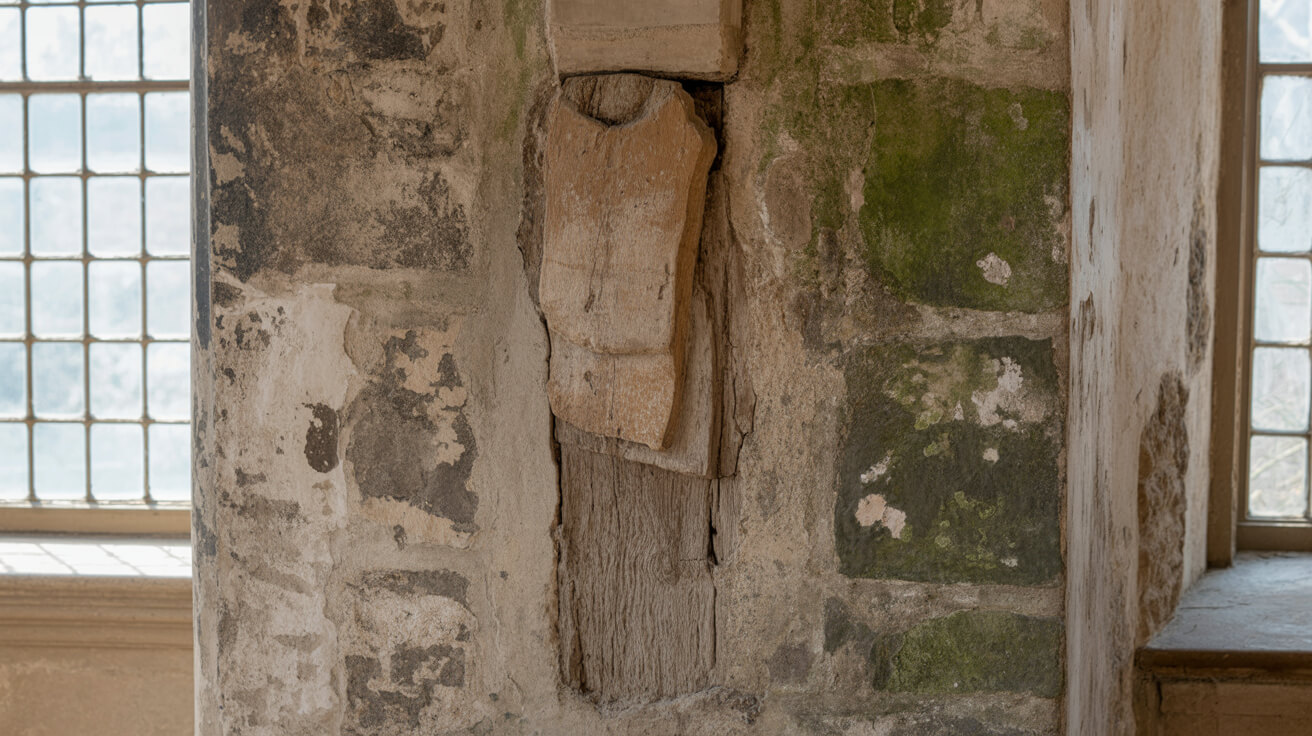
Scheduled Monument Consent represents a critical juncture in heritage preservation where technical restoration meets regulatory oversight. In regions where historical integrity is paramount, such as in heritage properties and listed buildings, adhering to the legal framework for Scheduled Monument Consent ensures that interventions, including damp proofing, do not compromise the authenticity or structural integrity of historic sites. This process not only safeguards cultural heritage but also aids in maintaining property value by enforcing strict conservation criteria.
Etymology or Name Origin
The term “Scheduled Monument Consent” originates from early heritage conservation movements in the United Kingdom. Initially emerging under the Ancient Monuments Protection Acts of the early twentieth century, the concept was developed to restrict alterations to sites of national importance. Throughout subsequent decades, legislation evolved to include more detailed provisions and modern interventions, with the consent process becoming a formal necessity for any alterations that might affect a scheduled monument. This evolution reflects a broader commitment to preserving not only the physical structure but also the cultural narratives embedded within historic sites.
Overview / Context
Scheduled Monument Consent is a regulatory mechanism implemented to ensure that modifying works on designated heritage sites do not adversely affect their historical, cultural, or architectural significance. This legal instrument applies to projects that involve interventions such as damp proofing, where modern maintenance methods must be carefully balanced with the conservation of original fabric. The consent is embedded within a framework of laws and guidelines—including BS6576, PAS2035, building regulations Part C, and the Housing Health and Safety Rating System (HHSRS)—that collectively govern the treatment of heritage assets. As damp proofing techniques have advanced, this consent process remains critical in ensuring that remedial works are both technically effective and sensitive to the historic character of the property.
Scheduled Monument Consent serves as a safeguard in heritage conservation by regulating the extent to which modern materials and techniques can be applied. Its application is particularly vital in cases where damp proofing measures might introduce changes that are visually or structurally disruptive to a scheduled monument. The convergence of environmental factors, building physics, and legal controls creates a unique challenge in heritage management, requiring a multidisciplinary approach that integrates history, engineering, and law.
History
The historical development of Scheduled Monument Consent reflects a continuous transformation in heritage conservation practices. Originally, protection measures were simplistic, aimed at preventing unauthorised alterations to monuments of historical significance. Over time, as industrialization and modern construction techniques emerged, the need for a more rigorous and standardised approach became evident.
Origins and Early Usage
Early legislation concerning heritage sites was introduced with the purpose of safeguarding national treasures. The establishment of scheduled monuments provided a legal basis to protect sites regardless of their current condition or function. In this nascent phase, consent was often informally managed, with local authorities playing a minor role in overseeing repairs and alterations.
Legislative Developments
The mid-twentieth century witnessed significant changes as acts such as the Ancient Monuments and Archaeological Areas Act codified the need for formal consent before any intervention. This period marked the inception of a more structured process, integrating the roles of conservation officers and specialist surveyors. The evolution of damp proofing technology further necessitated clearer guidelines, leading to the introduction of standards such as BS6576, which set out technical specifications for remediation of damp conditions in historic buildings.
Modern Adaptations and Case Studies
In recent decades, Scheduled Monument Consent has been refined to address the complexities of contemporary conservation challenges. Modern interventions, particularly those involving damp proofing, require a careful balance between preserving historic integrity and employing effective building repair techniques. Case studies from various heritage properties have highlighted instances where improper damp remedial works deteriorated historical fabric, reinforcing the need for rigorous consent procedures. Today, the process incorporates comprehensive assessments that include technical diagnostics, heritage impact evaluations, and legal reviews, ensuring a multidimensional approach to property conservation.
Concept / Description
Scheduled Monument Consent constitutes the formal permission sought from relevant heritage and regulatory bodies before initiating any alterations on a site that is legally protected as a scheduled monument. At its core, the concept serves as a bridge between the imperatives of modern building maintenance and the preservation of historical legacy. In practice, the consent process demands a thorough evaluation of the proposed works, focusing on their potential impact on both the physical structure and the cultural significance of the property.
Core Principles
- Preservation of Historical Integrity: Consent is designed to ensure that restorative measures do not alter or destroy the elements that contribute to a property’s heritage value.
- Regulatory Compliance: The process mandates strict adherence to legislation and technical standards, including BS6576 and PAS2035, thereby ensuring that all interventions meet established conservation criteria.
- Balanced Intervention: Scheduled Monument Consent requires that the technical necessity of damp proofing and other remedial actions harmonises with the site’s historic fabric, discouraging irreversible modifications.
- Documentation and Accountability: The consent process is comprehensive, encompassing formal applications, detailed inspection reports, and continuous monitoring, all of which contribute to the transparency and accountability of the interventions.
Structural Components
The consent process includes pre-application surveys, impact assessments, technical evaluations, and public consultations, all of which are documented in detailed reports. This structured approach aids in identifying potential conflicts, such as mismatches between modern damp proofing techniques and the requirements for preserving historical materials, and in proposing remedial strategies that are both effective and reversible.
Functionality / Purpose / Applications
The primary function of Scheduled Monument Consent is to provide a legally enforceable framework that regulates the modification of heritage assets. This ensures that any work undertaken, particularly in relation to damp proofing, is consistent with conservation objectives and does not compromise the intrinsic value of the property. The practical applications of consent span multiple dimensions:
Application Process
- Preliminary Assessment: A detailed survey is conducted to assess the current condition of the property, with particular attention to damp-related issues such as moisture ingress, salt efflorescence, and signs of material deterioration.
- Technical Evaluation: Using diagnostic tools such as moisture metres and thermal imaging cameras, experts determine the extent of damp penetration and the suitability of various treatment options.
- Heritage Impact Analysis: An evaluation of how proposed damp proofing measures might affect historical features—such as original plasterwork, timber frameworks, and masonry textures—is undertaken.
- Consent Documentation: Based on the assessments, a formal application is prepared that outlines the proposed work, demonstrates compliance with regulatory standards, and includes mitigation strategies to preserve heritage features.
Use Cases
- Heritage Property Restoration: Owners of historic homes and buildings rely on Scheduled Monument Consent to ensure that their restoration work does not inadvertently cause irreversible damage to the historical character.
- Listed Building Maintenance: For properties subject to strict conservation guidelines, the process ensures that any damp proofing and repair work is conducted in a manner that aligns with both modern performance requirements and historical preservation.
- Conflict Resolution: The consent framework serves as an authoritative reference in instances where there might be conflicting opinions among stakeholders, such as between property owners, conservation officers, and regulatory bodies.
Examples of Practical Applications
- Case Studies: In a typical restoration project on a Grade II listed Victorian property, Scheduled Monument Consent would dictate that any damp proofing measure, be it the installation of a new damp proof course or a non-invasive surface treatment, undergo rigorous evaluation to protect original building materials.
- Comparative Analysis: Scheduled Monument Consent processes often require comparative studies between traditional methods (e.g., lime plastering) and modern technologies (e.g., chemical damp proofing), ensuring that the selected method enhances both the durability and authenticity of the structure.
Classifications / Types / Variants
While the concept of Scheduled Monument Consent is uniform in its purpose, variations exist based on property type, scale of intervention, and historical context. These classifications provide a framework for tailoring the consent requirements to specific circumstances.
Consent Categories
- Full Consent: Required for extensive restoration or structural changes that may significantly alter a scheduled monument’s fabric.
- Conditional Consent: Granted under specific conditions where the proposed works involve minor interventions or reversible treatments.
- Phased Consent: Used in projects that are executed in multiple stages, where each phase must be individually assessed and approved.
Property-Specific Variants
- Residential Heritage Properties: These typically involve smaller-scale interventions focused on preserving both the aesthetic and structural aspects of the building.
- Public Monuments and Institutions: Consent processes for publicly owned heritage assets often involve additional layers of scrutiny from conservation bodies.
- Industrial Heritage Sites: These may require specialised consent protocols reflecting the unique historical and technical attributes of industrial-era constructions.
These classifications ensure that the consent process is adaptable and sensitive to the diverse challenges posed by different types of heritage properties.
Systems / Tools / Methodologies
The attainment and implementation of Scheduled Monument Consent in the context of damp proofing relies on sophisticated systems and methodologies designed to ensure that interventions are both effective and non-intrusive.
Diagnostic Tools
- Moisture Metres and Hygrometers: Instruments that measure moisture content in walls and other building components, providing quantitative data crucial for evaluating damp levels.
- Thermal Imaging Cameras: Devices that capture thermal variations, revealing hidden moisture issues that might not be visible on the surface.
- Salt Test Kits: Used to detect the presence and movement of soluble salts, which are a common byproduct of rising damp.
- Infrared Thermography: An advanced form of thermal imaging that offers precise data regarding moisture distribution and potential areas of concern.
Monitoring and Data Collection
- Digital Monitoring Systems: Integration of continuous tracking software that records moisture levels over time, enabling trend analysis and preemptive response.
- Periodic Re-inspections: Scheduled assessments conducted by specialist surveyors to verify that the damp proofing interventions remain effective and that Scheduled Monument Consent conditions are met.
Methodological Approaches
- Non-Invasive Techniques: Essential for preserving historically significant materials, these methods allow for comprehensive assessments without physical disruption to the building fabric.
- Integrated Impact Analysis: A holistic methodology combining technical diagnostics with heritage impact assessments to guide decision-making.
- Reversibility Planning: Ensuring that interventions can be reversed or modified in the future, safeguarding the long-term preservation of heritage assets.
These tools and methodologies form the technical backbone of the Scheduled Monument Consent process, providing the evidence base needed for approval and subsequent monitoring.
Stakeholders / Entities Involved
The effective execution of Scheduled Monument Consent involves collaboration among a diverse array of stakeholders from multiple disciplines. Each plays a pivotal role in ensuring that interventions on heritage properties meet both conservation and technical standards.
Regulatory and Governmental Bodies
- Local Authorities and Conservation Agencies: These organisations are charged with enforcing building regulations and safeguarding heritage properties. They review consent applications, conduct site inspections, and monitor compliance with statutory requirements.
- Historic England and Similar Institutions: Provide expert guidance, set conservation priorities, and help oversee the integration of modern damp proofing measures with traditional building techniques.
Professional Experts
- Conservation Officers: Tasked with ensuring that restoration work adheres to conservation principles; they provide critical oversight on how interventions affect historical fabric.
- Damp Proofing Specialists and Surveyors: Employ advanced diagnostic tools to assess moisture conditions and recommend appropriate remedial measures. Their assessments form the technical basis for consent applications.
- Structural Engineers: Evaluate the integrity and stability of heritage structures, ensuring that any damp proofing work does not compromise building safety.
- Legal Advisors: Ensure that consent applications conform to legal frameworks and that the rights and obligations of all parties are clearly delineated.
Property and Industry Stakeholders
- Heritage Property Owners and Managers: The primary agents who apply for consent. Their initiatives aim at protecting and maintaining the historical value of their properties while addressing necessary maintenance challenges.
- Developers and Contractors: Responsible for executing the approved works, these stakeholders implement the technical solutions prescribed in the consent process.
- Insurance Providers: Play a role in assessing risk and ensuring that any restoration measures align with broader risk management strategies.
The coordinated efforts of these entities contribute to the rigorous scrutiny and successful implementation of Scheduled Monument Consent, ensuring that heritage assets are maintained to high standards.
Legal / Regulatory / Ethical Considerations
Scheduled Monument Consent is underpinned by a robust legal framework that serves to protect heritage properties and safeguard public interest. The process not only confirms that interventions meet technical requirements but also upholds ethical standards in conservation.
Legislative Framework and Standards
- Heritage Legislation: The Ancient Monuments and Archaeological Areas Act and subsequent statutory amendments establish the legal basis for protecting scheduled monuments. These laws restrict alterations that could compromise the historic value of a site.
- Building Regulations and Standards: Regulations such as Building Regs Part C, BS6576, and PAS2035 play a significant role in defining the acceptable parameters of damp proofing interventions. They ensure that modern techniques are compatible with the conservation requirements of heritage properties.
- Enforcement Mechanisms: Regulatory bodies enforce the conditions set out under Scheduled Monument Consent through inspections, audits, and compliance reviews. Failure to adhere to these standards may result in legal sanctions or mandated restoration reversals.
Ethical Considerations
- Preservation of Cultural Heritage: Ethical imperatives demand that any intervention preserves the historical integrity of the building while accommodating necessary modern repairs. This creates a dynamic tension between conservation and functional improvements.
- Reversibility: A core ethical principle in heritage conservation is that modern interventions should be reversible. This ensures that future restoration work can be undertaken without permanently altering the original fabric.
- Transparency and Accountability: The detailed documentation required during the consent process fosters an environment of transparency. It ensures that all parties, from property owners to regulatory bodies, are held accountable for upholding heritage standards.
By addressing both the legal intricacies and the ethical challenges, Scheduled Monument Consent aims to provide a balanced framework that respects historical legacy while enabling necessary building maintenance.
Performance Metrics / Data / Measurements
The effectiveness of Scheduled Monument Consent in relation to damp proofing interventions is measurable through a range of quantitative and qualitative metrics. These assessments help to validate the success of the interventions and guide ongoing maintenance strategies.
Quantitative Measurements
- Moisture Level Readings: Precise measurements obtained using hygrometers and moisture metres are used to gauge improvements in damp conditions following restoration.
- Thermal Efficiency Data: Thermal imaging provides valuable information on changes in heat distribution and insulation performance after damp proofing measures have been implemented.
- Compliance Statistics: The rate of successful consent applications versus flagged interventions can serve as a key indicator of regulatory adherence and overall process efficacy.
- Inspection Frequencies: Monitoring the regularity and outcomes of follow-up inspections helps in evaluating the long-term health of the building.
Qualitative Assessments
- Historical Integrity Evaluations: Experts conduct reviews to assess whether the original historical features have been preserved without compromise.
- Stakeholder Feedback: Feedback from heritage property owners, conservation officers, and technical experts contributes to an understanding of the perceived impact and acceptability of interventions.
- Case Study Documentation: Published case studies offer insights into best practices and the evolution of technical methodologies within the context of Scheduled Monument Consent.
Together, these performance metrics support a comprehensive evaluation framework that not only measures technical success but also the broader impacts on heritage conservation outcomes.
Challenges / Barriers / Limitations
Implementing Scheduled Monument Consent in the realm of damp proofing for heritage properties and listed buildings presents a variety of challenges. These obstacles often stem from the intrinsic conflicts between modern repair technologies and the preservation requirements intrinsic to historic structures.
Operational and Technical Issues
- Complex Material Interactions: Heritage structures typically consist of varied and aged building materials. Integrating modern damp proofing methods with traditional construction can be challenging, particularly when materials exhibit different long-term behaviours under moisture.
- Diagnostic Limitations: Non-invasive diagnostic methods, crucial for preserving historic fabric, sometimes yield less precise data compared to more intrusive techniques. This can lead to uncertainties in assessing the full extent of damp-related issues.
- Technological Integration: The deployment of advanced monitoring systems and digital diagnostic tools is still evolving, and integrating these seamlessly into heritage contexts can be a technological hurdle.
Regulatory and Legislative Barriers
- Stringent Compliance Requirements: Scheduled Monument Consent often involves navigating complex regulatory frameworks that require detailed evidence of technical compliance, making the process time-consuming and meticulous.
- Inconsistent Interpretations: Varying interpretations of conservation guidelines by different authorities can lead to unpredictability in consent decisions, creating delays and potential conflicts during project implementation.
- Cost Constraints: The need for specialised assessments, enhanced documentation, and advanced diagnostic tools can significantly increase the costs associated with heritage damp proofing projects, sometimes placing them beyond the reach of property owners.
Economic and Social Factors
- Financial Barriers: The elevated costs associated with tailored damp proofing interventions and the consent process itself often result in financial strain on heritage property owners. This can hinder the timely execution of necessary repairs and maintenance.
- Stakeholder Resistance: Divergent priorities between property owners, conservation specialists, and regulatory bodies can result in conflicting opinions and protracted negotiations, complicating the consensus-building process essential to Scheduled Monument Consent.
These challenges underscore the need for continuous improvement in our methodologies and processes, ensuring that Scheduled Monument Consent remains both robust and adaptable amidst evolving technological and regulatory landscapes.
Impact / Influence / Legacy
Scheduled Monument Consent has exerted a lasting influence on the fields of heritage conservation and damp proofing, significantly shaping how interventions are managed and executed in historic environments.
Heritage Preservation
- Maintenance of Historical Integrity: The consent process has been instrumental in ensuring that repair and restoration efforts do not undermine the architectural and cultural significance of heritage properties. By mandating rigorous assessments, these protocols protect against interventions that might alter a structure’s authentic character.
- Long-Term Conservation: Through continuous oversight and monitoring, Scheduled Monument Consent helps secure the long-term preservation of historic buildings. Its enforcement ensures that remedial works are in harmony with the site’s original fabric and historical context.
Economic and Social Influence
- Property Valuation: Proper application of Scheduled Monument Consent contributes to sustained or even enhanced property value, as the safeguarding of historical integrity is recognised in appraisal methodologies. This has implications for mortgage lending and insurance, where comprehensive consent processes reduce perceived risks.
- Community and Cultural Identity: Beyond the individual property, the consent process plays a role in upholding community heritage and identity. It ensures that interventions respect not only the physical form of historic buildings but also the cultural narratives they embody, reinforcing broader social values around heritage conservation.
Evolution of Technical Practices
- Advancement in Restoration Techniques: The rigorous requirements of Scheduled Monument Consent have driven innovation in technical methodologies, fostering the development of specialised damp proofing methods that are both effective and sensitive to historical contexts. This evolution has led to the adoption of technologies such as digital monitoring systems and non-invasive diagnostic tools.
- Standardisation and Best Practices: By setting clear benchmarks through standards like BS6576 and PAS2035, the consent process has influenced the establishment of best practices in both damp proofing and heritage conservation. These benchmarks serve as authoritative references for future projects, ensuring consistency and high standards across the sector.
Institutional and Regulatory Legacy
- Enhanced Oversight: The consent framework has solidified the roles of regulatory bodies and conservation organisations in overseeing heritage interventions. This institutional oversight not only fosters trust but also contributes to a more disciplined and informed approach to addressing damp-related issues in sensitive environments.
- Cultural Continuity: Ultimately, Scheduled Monument Consent acts as a custodian of cultural heritage, ensuring that the narratives and legacies encapsulated in historic buildings are preserved for future generations.
Future directions, cultural relevance, and design discourse
Emerging trends and technological innovations are poised to redefine the landscape of Scheduled Monument Consent. As digital transformation and data-driven approaches become increasingly integrated into heritage conservation, several key developments can be anticipated.
Technological Advancements
- Digital Consent Monitoring: The integration of digital platforms for real-time monitoring and reporting promises to enhance the transparency and efficiency of the consent process. By leveraging advanced sensors and analytics, stakeholders can achieve more accurate and ongoing assessments of damp conditions.
- Enhanced Diagnostic Tools: Innovations in non-invasive imaging and moisture detection technologies are likely to improve the precision of historical assessments. These methodologies will further refine the balance between modern interventions and heritage preservation by minimising disruption to the historical fabric.
- Data-Driven Decision Making: The use of big data analytics and artificial intelligence in evaluating performance metrics and predicting damp proofing outcomes is set to become more mainstream. These techniques will enable more proactive and adaptive approaches to managing consent requirements.
Legislative and Regulatory Evolution
- Streamlined Consent Processes: Ongoing regulatory reforms might simplify the consent process, reducing bureaucratic delays while maintaining high standards of preservation. This could involve harmonisation of guidelines across different local authorities and clearer frameworks for stakeholder consultation.
- Integration of Emerging Standards: Future revisions of conservation standards may incorporate new technological capabilities and interdisciplinary methodologies, aligning traditional practices with contemporary innovations. This evolution will likely result in more flexible and responsive consent protocols.
Cultural and Academic Relevance
- Evolving Conservation Ethics: The dialogue surrounding modern interventions in heritage properties will continue to evolve. Debates regarding the balance between restoration and preservation, as well as the ethical implications of using modern materials in historic environments, are expected to influence future consensus.
- Design Discourse in Heritage Conservation: The interplay between modern architectural practices and traditional conservation methods is a growing area of interest. Academic and industry discourse is likely to focus on how heritage assets can be maintained without stifling creativity, ensuring that advancements in technology complement rather than compromise historical authenticity.
- Long-Term Impact Studies: Increasingly, interdisciplinary studies will evaluate the long-term effects of damp proofing interventions on both property function and heritage value. These investigations will contribute to an evolving body of knowledge, driving continuous improvement in consent processes and technical methodologies.
Institutional and Community Engagement
- Collaborative Frameworks: The future of Scheduled Monument Consent may see enhanced collaboration between governmental agencies, conservation experts, property owners, and technology providers. This multidisciplinary approach will foster a more integrated strategy that aligns regulatory robustness with modern technical innovations.
- Public Awareness and Involvement: As cultural identity and heritage become increasingly valued within communities, public engagement in the consent process may also expand. Educational initiatives and community-based monitoring programmes could empower property owners to actively participate in conservation efforts, bridging the gap between policy and practice.
Design and Aesthetic Considerations
- Heritage-Sensitive Innovations: Future design discourse is expected to place greater emphasis on interventions that are not only technically sound but also aesthetically harmonious with historical environments. The development of new materials and techniques that mimic traditional building methods while incorporating modern performance standards will be central to this evolution.
- Sustainable Restoration Practices: In response to growing environmental concerns, sustainable and eco-conscious restoration methods will likely become an integral component of Scheduled Monument Consent. The convergence of sustainable design and heritage conservation will guide a new era of practices that prioritise both environmental and cultural preservation.
Scheduled Monument Consent will continue to be a cornerstone of heritage preservation, evolving in tandem with advancements in technology, shifts in regulatory frameworks, and changing cultural attitudes. The future trajectory of this process is shaped by an ongoing commitment to maintaining the delicate equilibrium between modern functionality and historical authenticity, ensuring that heritage properties remain resilient and valued in an ever-changing world.
