

 By
 September 7, 2025



How Much Does Positive Input Ventilation in Flats Cost—and What Are You Really Paying For?
Across East Sussex, Brighton, and the entire South Coast, one question comes up again and again for flat owners, landlords, letting agents, and block managers: “How do you actually solve damp, condensation, and stale air in flats—without blowing cash on another short-term fix?” If you’ve cycled through endless window-opening, repainted over black mould, or thrown money at portable fans that only move the damp from one corner to another, you already know the real pain isn’t cosmetic—it’s waking up to a surveyor’s flag, a tenant’s complaint, or another rogue patch of mould. Data backs it up: one in five UK homes struggles with moisture and condensation, and surveyors routinely highlight flats as the “at-risk” group (Energy Saving Trust).
The true cost of flat ventilation isn’t just the kit—it’s how much drama you’re spared in the next survey, let, or sale.
Flat owners, leaseholders, and landlords don’t just want a fan; they want certainty—the all-in solution that dodges repeated callouts, admin headaches, insurance nightmares, and frustrated tenants. So, what does it actually take to solve this with PIV (Positive Input Ventilation), and what’s the real cost behind that headline figure?
The pain of being “price-blinded” is real: focusing only on the sticker price of PIV ignores the silent costs of failed compliance, post-instal snag-lists, or yet another complaint from the block. Your goal should be frictionless living—and value that outlasts the next quarterly inspection.
What Does It Actually Cost to Instal a PIV System in a Flat?
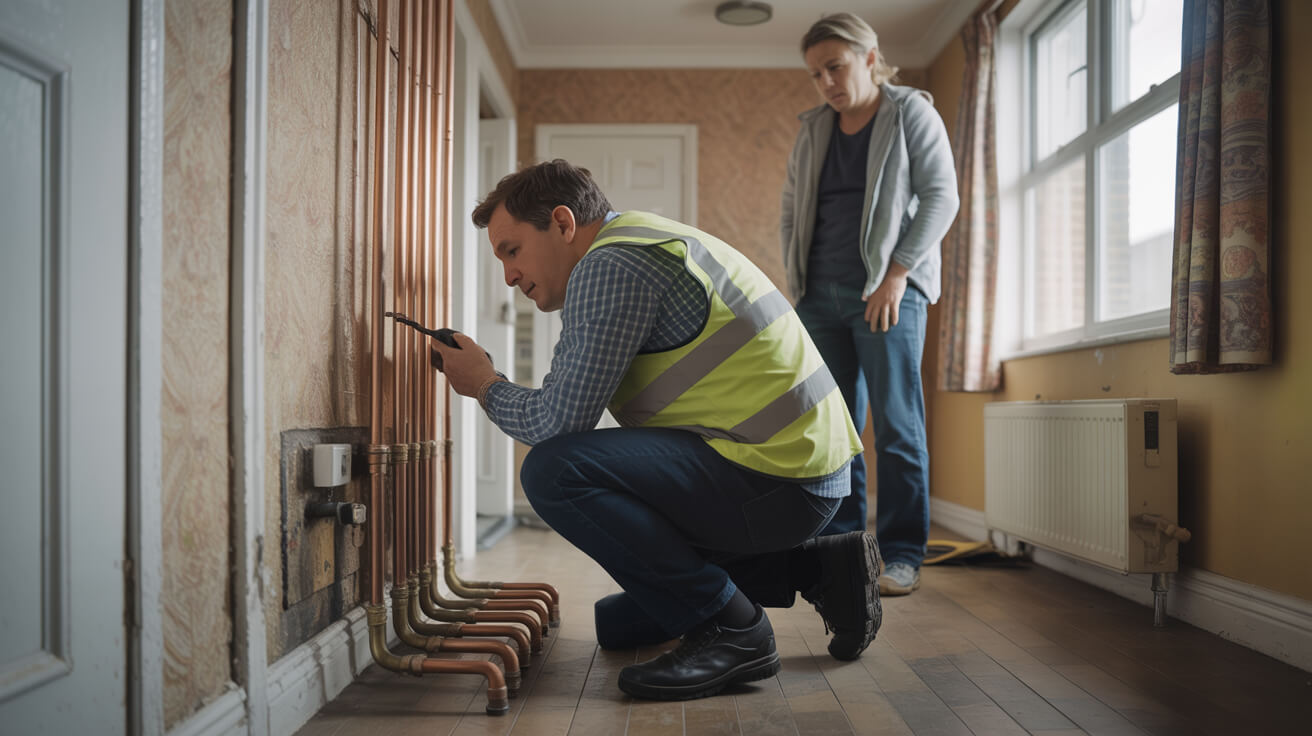
When you Google “PIV cost in flats,” you’ll get a spread: entry-level jobs around £900, top-end instals (heritage blocks, tough access, complex paperwork) soaring up to £1,750 or more (Checkatrade). But if you dig past the surface, it’s not just about the box and wires. What you’re really buying is a protective moat: site expertise, block compliance, admin wrangling, and tangible proof from a seasoned pro, not a rush-job contractor.
Cheap PIV instals rarely stay cheap after the first failed survey or a problem flagged by block management.
Let’s break down what a complete, professional PIV supply-and-fit package for flats should include:
- Survey and diagnosis: It starts with mapping your flat’s ventilation pathways, block layout, cold bridging, and permissions. Every instal needs to respect the unique quirks of your property and leasehold, or the fix will never stick.
- Specialist equipment: You’re not getting an off-the-shelf unit bolted on. Top providers supply high-spec, block-approved PIV systems, often with options for embedded heating, advanced philtres, and acoustic control.
- Compliance-first installation: This isn’t just screwing in a fan—expect core drilling, electrical wiring compliant with Part P, and a careful approach to preserving fire breaks and party walls.
- Commissioning pack: Documentation that reassures lenders, buyers, and agents: handoff includes airflow data, performance test, and easy-to-understand paperwork.
- Aftercare and philtre servicing: Genuine professionals provide scheduled philtre swaps, refresher settings, and admin support for guarantees, mortgage reviews, or insurance queries.
If you see a “fitted from £799” line online, read the small print. Unless a provider commits, in writing, to a site survey, block liaison, and an all-in cost with paperwork, you’re just renting pain.
Typical PIV Cost Breakdown for Flats
Before you lock in a price, see where your money is really going:
| Cost Element | Price Range | What’s Included or Influences Cost |
|---|---|---|
| PIV Unit (Supply) | £269–£740 | Basic to premium, heating/philtre/acoustic add-ons |
| Installation & Survey | £400–£700 | Block entry, specialist drilling, Part P sign-off |
| Permission/Admin | £0–£300 | Heritage/conservation blocks, paperwork rounds |
| Philtre/Aftercare | £35–£50 (3–5 years) | Scheduled replacement and guarantee upkeep |
| All-In Installed Price | £900–£1,300 (£1,500+) | More for heritage, admin complexity, or extra features |
Locked-in, survey-backed quotes are your peace-of-mind guarantee. Any “ballpark” offer that glosses over compliance or council red tape is a risk disguised as a bargain.
How Do PIV Unit Choices Drive the True Cost in Flats?

There isn’t such a thing as a “standard” PIV for every flat—what suits a modern penthouse won’t cut it in a Victorian conversion. Most non-heated PIVs for flats retail £269–£400 (example: Nuaire Flatmaster at ~£345 – Permagard), but that’s just the base kit.
The right unit, specified via a thorough survey, prevents over-spending or missing legal fitment marks:
- Heated vs. Non-Heated: Budget PIVs suit newer, well-insulated flats, but for ground-floor, period, or street-facing blocks, a heater-integrated PIV adds £150–£400—no draughts, no tenant complaints.
- Advanced filtration/noise control: Living near busy roads, or hosting allergy-prone tenants? Higher-grade philtres and silencers push cost up but boost air quality and keep the system whisper-quiet.
- Smart controllers: Newer PIV models use humidity sensors and automated boost features—this ensures the system proves its worth year-round and simplifies aftercare, albeit with a modest premium.
When you split costs by flat type:
- Modern insulated flats: Basic, non-heated PIV (£269–£400 + instal)
- Heritage or street-level: Heated & filtered PIV (£500–£740 + robust instal & admin)
You’ll rarely see energy bills budge: non-heated models add ~£15–£25/year in running costs; heaters raise this to £60–£100/year—less than a tank of petrol, and trivial compared to what damp devalues at survey or sale. Surveyed, compatible units also keep warranties intact—a must for future proofing.
Off-the-shelf fans might save you £100 now, but can cost £10,000 in resale delays or repeat moisture damage later.
Why Is Labour and Compliance So High-Stakes for Flat Instals?

Unlike a simple loft instal in a detached house, flats come with a thicket of admin and technical hurdles:
- Block manager or freeholder approval: Drill or vent specifications often demand sign-off before work begins.
- Building Regs Part P: All electrical works in flats must be certified—skipping this voids insurance and legal status ([Which?](https://www.which.co.uk/reviews/electricians/article/electrical-safety-and-building-regulations-aJfW19W92kYi?utm_source=openai)).
- Fire safety, party walls, block protocols: Flats need careful drilling and placement so fire breaks, insulation, and inter-flat soundproofing aren’t compromised.
- Legal & lender paperwork: Professional instals *must* be documented for every admin “checkpoint” (letting, selling, refinancing); DIY or amateur instals cause block headaches for years.
Professional providers—PCA or TrustMark accredited—handle this entire gauntlet, from landlord permission forms to guarantee pass-off. Trying to save money by skipping paperwork can backfire spectacularly: voided warranties, block fines, forced removal, or lost sale proceeds.
Heritage/leasehold flats layer on extra complexity: expect council or conservation officer checks (and 4–6-week lead times). None of this is excess—it’s strict protection for your investment against the “cowboy” builder cycle.
What Are the Running and Maintenance Costs for a Flat PIV System?

With a legitimate, survey-approved PIV, you get more “set it and forget it” than ongoing drama. Still, don’t ignore running costs—they’re part of the long-term decision:
- Annual energy cost: Non-heated PIVs—*~£15–£25/year.* Heated models (winter comfort)—*£60–£100/year.*
- Philtre swap/servicing: Every 3–5 years for £35–£50, with most providers offering the first philtre swap in the instal price.
- Warranty and admin: File your commissioning docs, energy certs, and service records. Gaps mean headaches at sale, let, or insurance renewal.
Maintenance missed = risk multiplied. Blocked philtres lead to “dead” systems, gaps in paperwork stall lets or sales, and a single tampered setting can mask faults until the next tenant flags a problem.
Duct-tape maintenance creates silent risks that cost far more than scheduled care ever would.
What Extra Costs or Permissions Can Flat Owners Expect?

Flats impose “admin drag” you simply don’t see with houses:
- Block/freeholder written approval: Mandatory for any wall penetrations; ignore it, and you may pay double for forced restoration or face penalty bills.
- Council or Conservation Area planning: Exposed vents or external grills on listed buildings demand paperwork—time it right or the instal is delayed.
- Party wall/quasi-judicial checks: Heritage or block surveyors can delay, add surveys, or require upgrades—causing fees (£0–£300 typically).
- Certificate/photographic sign-off: Mortgage or let agents, insurance, and block managers all want evidence; missing docs cost you negotiation power.
Specialist providers like Insitu Building Preservation & Damp Specialists build permission handling, diagnostics, and transparent cost mapping into every quote. Choosing “all-in” isn’t luxury—it’s risk-control that prevents spiralling tick-box surprises.
How Do Guarantees, Compliance, and Trust Elevate a Quality Instal?

Here’s the fact: Only two outcomes exist after any flat PIV instal—either you get a documented, block-approved, survey-backed instal, or you inherit paperwork pain for years. Smart property owners and their representatives always chase three things:
- Guarantees that stick: Five to ten years, ideally insurance-backed or at least transferrable between owners.
- Paperwork that moves mountains: Airflow data, commissioning cert, and “before and after” images that make agents and surveyors nod, not stall.
- Compliance and standards: Instal that matches/exceeds BS 6576/8102 standards so future sales or insurance review is frictionless.
- Trade and block management credibility: PCA/TrustMark certification and a track record with heritage blocks or sensitive freeholders.
A single missing cert or vague warranty triggers the cowboy loop: expensive disputes, lost sales, and a last owner’s problem that keeps haunting new buyers.
You buy more than a fan; you buy a shield against block politics, paperwork gridlocks, and outright compliance fines.
What’s the Realistic Price—and When Does the Cost Go Up?

The sweet spot for an all-in, block-ready PIV supply-and-fit in flats is almost always £900–£1,300. Heritage, listed, or unusually admin-heavy blocks will push toward or past £1,500, especially when extra surveys, conservation paperwork, or hardware upgrades come into play. Look beyond the “from…” sticker:
- *Transparent survey and quotation* – not just “fitted from,” but line-by-line, in writing
- *Block and permit admin* – full support so you’re never chasing a missing approval
- *Commissioning and airflow proof* – essential for agents and buyers, often missed in cheap instals
- *Aftercare* – advice, fast philtre swaps, warranty tracking
| Flat PIV Cost Element | £ Typical | Notes |
|---|---|---|
| Supply (Unit) | £269–£740 | Heater/filtration adds £150–£400 |
| Pro Instal | £400–£700 | Site survey, block access, compliance |
| Planning/Permits | £0–£300 | Council or block admin (heritage can go higher) |
| Aftercare/Philtre | £35–£50 (3–5 years) | First swap/servicing often included |
| Full Package | £900–£1,300+ (£1,500+) | Heritage/multi-block/spec upgrades as extras |
The question isn’t “can you find it cheaper”—the question is who stands by the paperwork, the admin, the block peace, and the resale value when needed.
Why Insitu Building Preservation & Damp Specialists Are Chosen for Flat PIV Instals
Trusted property owners, asset managers, and letting professionals don’t chase discounts—they buy predictability, credentials, and results that stick. Here’s why Insitu Building Preservation & Damp Specialists are repeatedly relied upon for flat and heritage block upgrades:
- Survey-first, not “cookie cutter”: No guesswork; every instal matches your block’s legal, structural, and airflow needs.
- Transparent, total-cost pricing: Line-by-line, survey-backed quotes with nothing hidden up the chain.
- End-to-end admin handling: Permissions, heritage paperwork, block liaison, lender packs—you sign, they deliver.
- Decades of in-block experience: From Regency listed flats on the coast to modern blocks in city centres, every reg, quirk, and backchannel covered.
- Transferable guarantee and full commissioning pack: Sale, let, or remortgage—your paperwork clears every hurdle.
The real cost of cut-price PIV is stress, friction, and lost time on every flat you own or manage.
Your investment should purchase peace of mind and the freedom to ignore the word “damp” for a very long time.
Book Your Flat PIV Survey with Insitu Building Preservation & Damp Specialists Today
Waiting for a complaint, a failed let, or a mortgage hitch is the inverse of good property management. If you want certainty, compliance, and visible uplift in sale or letting value—act before the next snag appears. One booked survey from Insitu Building Preservation & Damp Specialists delivers:
- Survey-based spec: Your flat, your block’s quirks, your paper trail—matched, mapped, and locked in.
- Transparent quotes: All-in, admin-stress free, upgrades or heritage cover included, no surprises.
- Instal, compliance, and commissioning done right: By proven, qualified specialists.
- Aftercare and guarantee registry: So you’re never scrambling when paperwork comes due.
Secure the only ventilation upgrade that delivers admin-proof confidence, property value protection, and a blueprint for friction-free letting or resale. Book your PIV survey with Insitu today—the future you wants this crossed off your stress list.
Frequently Asked Questions
What less obvious factors can unexpectedly increase the cost of installing Positive Input Ventilation (PIV) in flats?
Flat owners often underestimate the real cost of PIV because subtle factors—building management policies, heritage rules, and legal restrictions—drive prices far beyond the device itself. The true expense is determined not just by hardware, but by the paperwork, compliance, and admin unique to each block or conversion. Mistimed permissions or skipped surveys can easily turn a budget instal into a repair headache.
How do property features and building management dictate your actual bill?
- No attic or restricted ceiling access?: Wall-mounted or surface-run PIV units are pricier and take longer to fit, especially in flats carved from older houses.
- Block rules or leasehold consents: Installing anything that affects shared structure usually needs formal written sign-off. Miss it, and you risk forced removal, fines, or blocked sales.
- Heritage or conservation overlays: Extra permissions, planning fees, and approved kit can lift costs hundreds of pounds—especially in period conversions.
- Complex construction: Utility chases, fire compartment lines, and past alterations can all require system tweaks and specialist compliance checks.
- Incomplete pre-survey: Skipping or underinvesting in diagnostics causes persistent damp or condensation to return, leading to repeat spending.
Behind most shock bills for flats is a small decision someone overlooked during the admin or permissions stages.
How can flat owners avoid these surprise costs?
Audit the admin chain before purchase—survey scope, block policy, leasehold requirements, and whether heritage input is needed. Confirm your chosen provider’s process includes permissions, survey evidence, and a risk map up front.
How do PIV installation costs in flats split between equipment, admin, and legal requirements?
The upfront “fan price” covers only a fraction of real installation outlay for flats; typically, admin, permissions, expert labour, and compliance account for 50% or more of total spend. All-in pricing reflects the reality that the best hardware is only as good as the paperwork backing it.
Typical breakdown of PIV flat installation costs
Here’s how a standard flat instal bill can stack up:
| Cost Element | Range | What’s Included |
|---|---|---|
| PIV unit (supply) | £269–£740 | Basic or advanced units with filtration/heating |
| Survey & fitting | £400–£700 | Damp survey, access work, certified installation |
| Admin & permissions | £0–£350+ | Freeholder, agent, or council paperwork and fees |
| Philtre & aftercare | £35–£50 (3–5 yrs) | Philtre changes, system checks, aftercare support |
| Full package estimate | £900–£1,300+ | Extra for heritage blocks or difficult access |
Where do most instals overshoot budget?
- Admin/permissions delays: Waiting on agency or freeholder sign-off can stretch projects and trigger extra visits.
- Surprise compliance requirements: Late requests for heritage, fire, or soundproofing sign-offs can add sudden cost.
- Omitted aftercare or certification: Cheap instals that exclude philtre support or paperwork can force expensive remedial works before sale or letting.
A reputable firm’s quote will show these lines specifically. If “admin included” pricing isn’t highlighted, expect extra costs after work begins.
Flat buyers and sellers should treat PIV paperwork as a core asset—a compliant package can increase property value and ease future transactions.
What does it cost to own and maintain a PIV system in a flat over ten years?
PIV operating costs in flats are refreshingly modest: running a non-heated unit often costs under £25 per year, while the addition of a pre-heater for cold climates can lift this to about £100 per year. The main recurring spend is on philtre changes and, for managed rentals, maintaining audit trails for compliance.
What regular maintenance is required to keep your system and paperwork in order?
- Philtres: Change every 3–5 years (£35–£50). Providers offering philtre reminders reduce the risk of expired warranty or efficiency loss.
- Engineer callouts: Optional unless faults occur, typically starting at £50, but most homeowner issues are DIY fixable.
- Surveyor or agent documentation: Responsibility for updated maintenance logs sits with owners—critical for landlords or future sales.
- Warranty protection: Missed philtre swaps or uncertified aftercare can void coverage, leaving you exposed to costly malfunctions.
Long-term, a well-maintained PIV costs less than a single repair from moisture damage or one missed compliance certificate.
How do you minimise aftercare spending and headaches?
Select both equipment and installer with clear aftercare pathways and stated compliance support. This means philtre reminders, easy documentation, and future-proof logs for agents or surveyors.
Why are compliance and documentation more complex for PIV in flats than in houses?
Flats function under a tangle of legal obligations and communal rules: freeholder consent, block insurance limits, and council overlays can layer up costs and stall projects. Failing to secure or document compliance steps often multiplies future legal, insurance, or resale costs—mistakes nearly impossible to fix cheaply after work is done.
What are the main admin and legal tripwires unique to flats?
- Written consents: Anything modifying shared structure, from drilling to ducting, usually needs written manager or agent approval.
- Heritage/listed block restrictions: Many areas in Brighton and Sussex require official permission, precise kit selection, and visual sensitivity.
- Insurer, lender, and letting agency mandates: DIY or undocumented instals typically won’t pass their checks—forcing expensive upgrades later.
- After-the-fact admin: Handling missing paperwork or council notices retroactively is the single costliest error.
Each year, flats in heritage blocks face repairs that cost five times more than prevention—caused by overlooked permissions or poor documentation.
What’s the simplest protection against these risks?
Use a provider whose process explicitly includes surveying, permissions, compliance mapping, and final documentation handover—skipping any element guarantees extra future cost.
How do you pick a PIV system that genuinely suits your flat or block’s layout, age, and management context?
Choosing a PIV system for a flat demands nuance—one-size-fits-all doesn’t work. The right model integrates your property’s access routes, block requirements, wall/floor configuration, and heritage or safety needs. The wrong system causes noise, cold draughts, or unresolved damp.
Which flat and block factors should drive your model choice?
- Location in the building: Basements and top floors involve differing system types due to airflow and access.
- Block compliance or listed status: Heritage areas often require non-standard, TLC-grade units and plans.
- Block soundproofing demands: For flats facing roads or with strict acoustic policies, upgraded, lower-decibel models are mandatory.
- Occupancy patterns: Family and student flats might need high-capacity or variable-speed units.
- Allergy sensitivity: UPGRADES to HEPA or specialist carbon philtres are available, but need planning consideration.
Top suppliers will never recommend a model without combining survey evidence, block dialogue, and compliance logic.
How do you remove the guesswork and prevent costly mismatch?
Insist on a survey-driven proposal—one that includes dialogue with management or agents and lists the compliance path. Avoid sales-led shops pushing only the “cheapest” unit.
Why is it risky to use non-specialists or DIY installation for PIV in flats, even if it seems easy?
Flats are policed by layers of management, lender, and insurance scrutiny. You don’t just want the fan to run—you want evidence your system was specified, installed, and documented for block, legal, and surveyor review. The real liability shows up years later: missed paperwork blocks a sale, a philtre oversight voids insurance, or a flat fails letting checks.
What distinguishes a “flat-grade” instal from a basic PIV job?
- Start-to-finish surveying: Professionals always map all moisture origins (not just condensation) and document every compliance step.
- Certified, standard-driven instal: Documentation must reference Building Regs (Part P and F), British Standards, and TrustMark or PCA accreditation.
- Full admin and aftercare wrap: Admin, block paperwork, agent liaisons, and aftercare monitoring are completed in parallel—not left for you to coordinate.
- Resale and letting enablement: Handover includes documented logs, philtre history, and permission paperwork, all ready for surveyors or future tenants.
Flats with certified, fully-documented systems consistently command stronger valuations and fewer voids after sale or rental handover.
What do leading providers like Insitu Building Preservation & Damp Specialists deliver that others miss?
They manage permissions from day one, coordinate with block management, run all admin, and provide warranty-anchored aftercare as standard. This gives owners stress-tested compliance and smooth paths for sales, lettings, or refinancing—future-proofing your property against regulatory shifts.
If you want your flat’s ventilation investment to pay off now and years down the line, begin with a true compliance survey and a provider who integrates admin, instal, and aftercare under one contract.
