

 By
 October 15, 2024


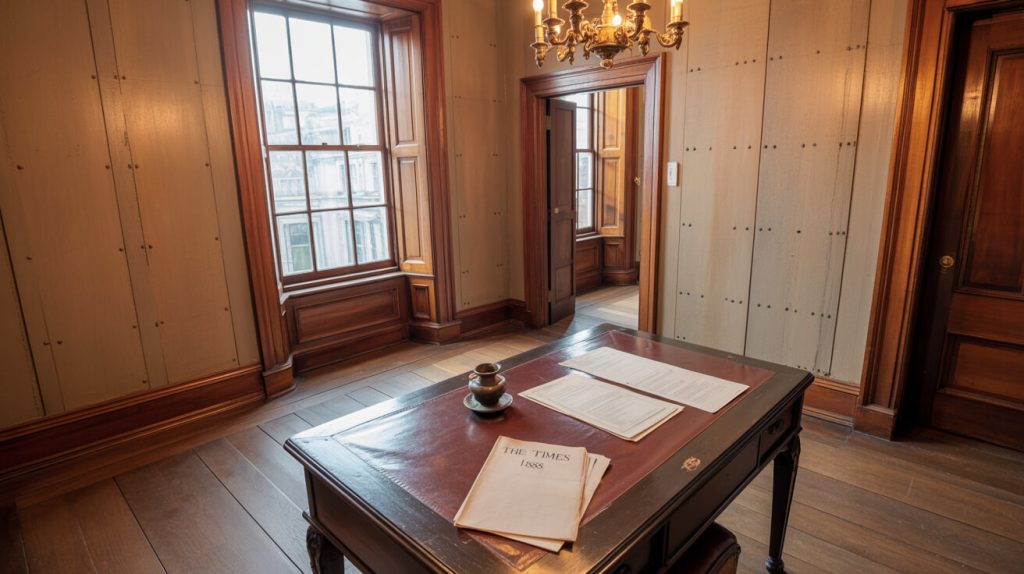
Timber & Woodworm Specialist: Essential Protection for Every Property
property owners face a harsh truth: timber rarely fails overnight. Small changes—powder on floorboards, faint odours in an unlived room, or minute pinholes in timber—signal deeper vulnerability. Left unchecked, these signs translate to structural loss, stalled sales, or forced insurance claims. Without early, professional oversight, costs spiral and control slips from your grasp.
What Sets Specialist Timber Assessment Apart?
Woodworm and timber decay require more than a casual glance or a generic repair. Only a specialist survey verifies exactly what’s at risk, which stakeholders (from lenders to insurers) need to see, and how to future-proof your decisions. Compliance with standards such as BS6576 and TrustMark is not a checkbox. It’s a guarantee that every step—inspection, communication, repair—is recognised, documented, and defensible.
Most problems are invisible until it’s too late to negotiate.
Why Trusted Expertise Delivers True Asset Protection
Owners, agents, and managers of heritage or modern properties should demand:
- Granular, evidence-backed diagnosis: specific to timber species, environment, and property age.
- Reports and remedial plans formatted for lenders, heritage boards, insurance, and tenants.
- Warranty-backed work and aftercare provided by Insitu Building Preservation & Damp Proofing Specialists , anchoring both credibility and support over time.
Table: Critical Risks vs. Certified Protection
| Unverified Approach | Specialist-Backed Approach |
|---|---|
| Visual guesswork only | Forensic moisture + pest mapping |
| Makeshift treatment (DIY) | Heritage/insurance-compliant fix |
| No documented outcomes | Lender/insurer-ready paperwork |
| No aftercare or warranty | 20-year guarantee + local followup |
When you invest in recognised, specialist protection, you’re not just fixing the surface—you’re ensuring your decisions meet the demands of audit, sale, tenancy, and long-term ownership.
What Are the Early Signs and Hidden Symptoms of Infestation?
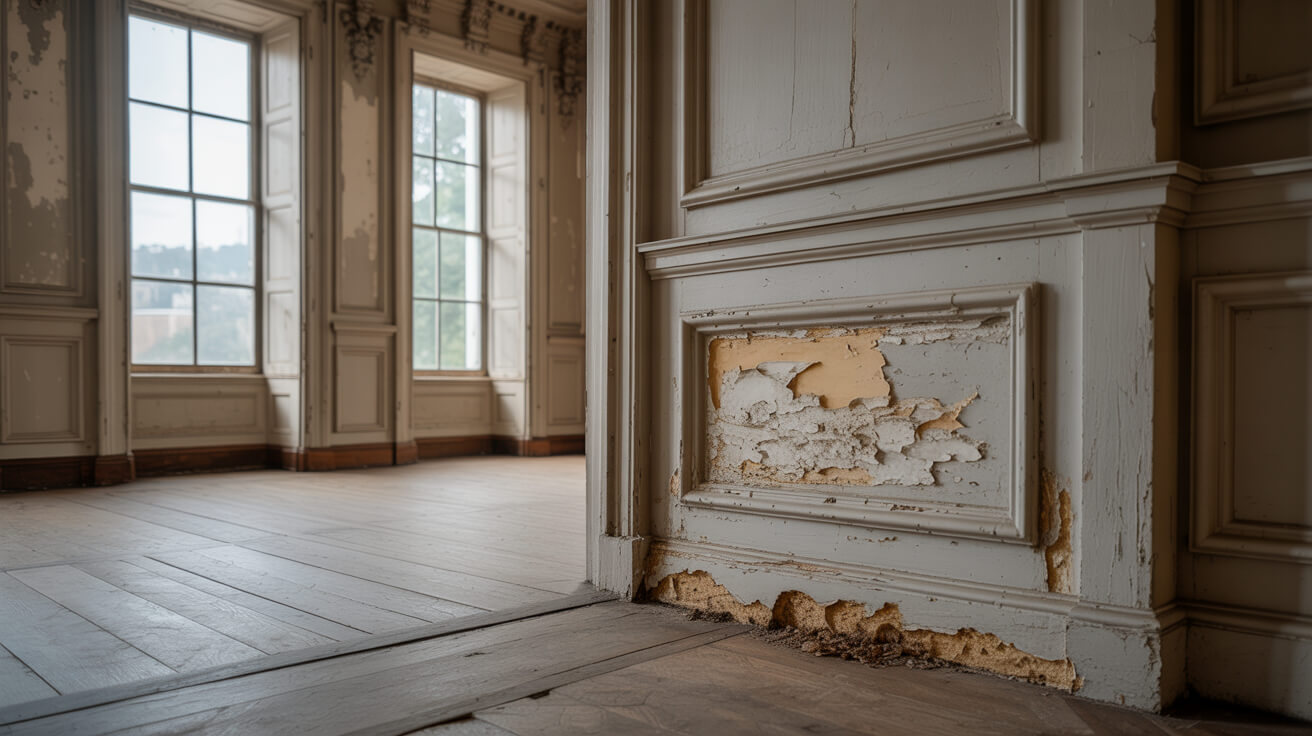
The first indicators of timber risk are easy to miss but devastating to ignore. Fine dust near skirtings, slight creaks in seldom-used floors, or subtle discolouration on beams: these are red flags property owners and facility managers must not sideline. Early recognition and swift action separate manageable maintenance from disruptive, high-cost disaster.
Immediate Signs Every Owner Should Monitor
You need a duo of regular self-checks and periodic professional surveys, especially before property sales, let cycles, or heritage grant submissions. Watch for:
- Fine, powder-like frass: below beams and sills after colder months.
- Pinpoint exit holes: —do not assume old is inactive.
- Dark patches: or odd surface stains in persistently damp or shaded rooms.
- Ongoing musty odour: or softness underfoot.
Advanced Detection: Going Beyond Visual Cues
Specialist timber inspection isn’t just a walkaround—it’s a systematic investigation. Using moisture metres, borescopes, and salt analysis, Insitu Building Preservation & damp proofing specialists distinguish modern from legacy damage and advise exactly what’s actionable (and what isn’t) for your documentation.
If you’re unsure, consider this: landlords who self-certify are three times more likely to face costly after-the-fact repairs than those who bring in accredited surveys. Silent infestations don’t remain silent forever.
What you catch early costs a fraction of what you discover late.
FAQ Table: Symptoms and Recommended Immediate Actions
| Symptom Type | Typical Source | Immediate Step |
|---|---|---|
| Powdery dust | Fresh woodworm | Request professional inspection |
| Surface holes | Old/new beetle exit | Survey to confirm activity/age |
| Musty smell | High humidity, decay | Moisture + pest survey, air test |
| Floor softness | Advanced timber rot | Structural + pest assessment |
With a clear checklist, proactive owners can stop future failures before they start.
Why Is Urgent Professional Action Critical for Timber Health?

Timber risk is not static. Delays in professional remediation escalate both cost and liability. The longer active woodworm or decay lingers, the more it threatens property value, lender trust, and legal compliance. Real loss is measured in failed completions, lost tenants, or forced policy exclusions—not in theoretical risk.
Time and Cost: How Delay Shifts the Balance
- Owners who act within days of symptom discovery average < £800 in remedial spend.
- When delays stretch past three months, outlays rise by 3x–6x due to deepened spread or collateral repair.
- In heritage or listed properties, untreated decay can violate conservation grants or local authority mandates, forcing expensive, specialised reconstruction.
Timber risk multiplies quietly, but costs compound in full public view.
Real-World Consequences
Consider a letting agent’s nightmare: delayed action after a new tenant’s damp complaint. A trivial powdering overlooked in January becomes a condemned floor and voided insurance cover by summer. In sales, mortgage lenders routinely condition final approval on evidence of completed, specialist repairs—documentation, not intent, is what clears buyer anxiety.
Delay is not a neutral stance. Secure accredited intervention, regulatory-ready paperwork, and warranty guarantees from Insitu building preservation & Damp Proofing Specialists before avoidable costs—or reputational risks—surface.
How Do Expert Timber and Woodworm Treatments Ensure Lasting Results?
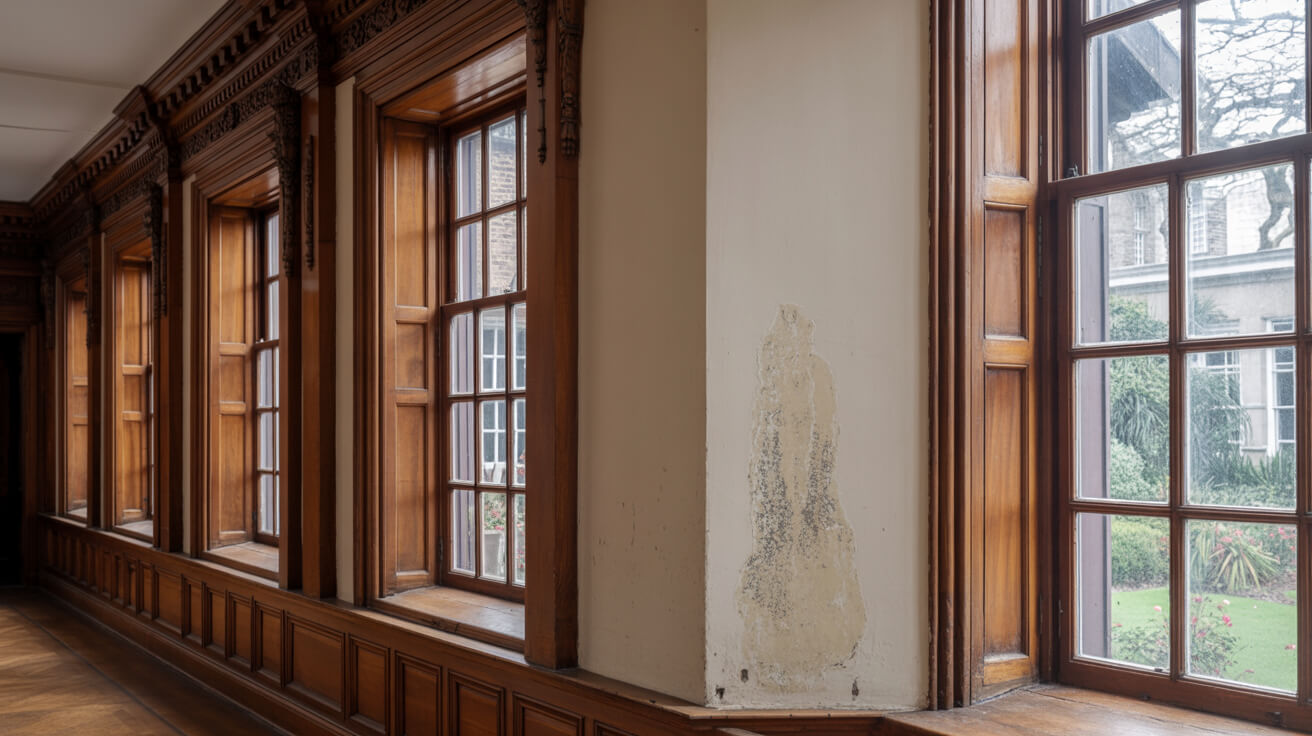
Every property is different. The right course for your specific risk blends detailed diagnosis, methodical application, and enforceable guarantee. Relying on generic treatments or outdated ‘one-size-fits-all’ advice creates cycles of cost and compromise.
Insitu Building Preservation & Damp Proofing Specialists ’ Systemized Solution Model
A specialist-led remediation journey includes:
- Pre-treatment survey with full mapping (moisture, pest, substrate)
- Selection of treatments validated for your timber species, substrate, and regulatory context (e.g., non-VOC for heritage, rapid-cure for commercial)
- If chemicals are needed, the safest, lowest-odour options are chosen for health, compliance, and sustainability.
- Strategic application schedule—timed for minimal business or tenant disruption.
The Guarantee Difference: Why Aftercare Isn’t Optional
Many service contracts stop at the invoice. Insitu Building Preservation & damp proofing Specialists explicitly schedule post-remediation inspections, offer 20-year written warranties, and provide on-call aftercare tailored for managers, landlords, or heritage stewards.
If you’re managing a portfolio, you also benefit from property-specific aftercare guides and alerts—ensuring every asset, even new acquisitions, is integrated into a single, defensible maintenance protocol.
“Long-term assurance isn’t a claim—it’s a contract you collect on for decades.”
Where Are Properties Most Vulnerable to Timber and Woodworm Threats?

Vulnerability distribution is not universal. Understanding the risk zones within your properties empowers you to allocate oversight, insurance, and reactive resource more efficiently.
Key Vulnerability Locations (Role-Tuned)
- Heritage/Listed: Primary risk in attics (beams), substructures, and original joinery with limited access or legacy paintwork.
- Modern/Portfolio: Floor voids, poorly ventilated rooms, or fashionable yet humidity-prone extensions.
- Commercial/Portfolio: Multi-unit sites, especially with periodic flooding, missed inspection cycles, or irregular tenancy turnover.
Table: Risk Zones by Property Type
| Property Type | Primary Risk Zones | Prevention Priority |
|---|---|---|
| Heritage/Listed | Beams, roof spaces, panelling | Semi-annual expert survey |
| Private modern | Annexes, ground floors, garages | User checklist + annual survey |
| Portfolio/Multi-site | Tenanted voids, basements, common parts | Logbook, digital monitor, quarterly check |
Risk Mapping: Turning Insight into Action
Facilities managers and landlords frequently overlook concealed zones—mainly because damage is often silent until catastrophic failure or refit. Routine inspections, cross-checked with building type and tenancy turnover, intercept emerging risks before they scale.
“You control risk by knowing exactly where to look and when to act.”
When Should Timber Be Treated, Monitored, or Replaced?

Decisions about repair timing—whether immediate, deferred for monitoring, or a full commitment to structural replacement—must be guided by both technical evidence and operational context.
Decision Matrix for Owners and Managers
- Immediate action: Active frass, soft joists, or visible larvae (always triggers intervention and warranty provision)
- Monitoring: Only legacy holes, no live pests, and stable environmental readings; best for stable, low-use zones.
- Replacement: Recurring failures in the same area, especially where timber forms structural load or where repeated insurance queries occur.
Adhering to a maintenance schedule (automated reminders for multi-site managers) lowers unplanned spend, reduces surveyor disputes, and ensures all remedial works meet both insurance and compliance documentation standards.
Aftercare Integration
Property owners gain from having a clear, scheduled aftercare plan—automatically issued when working with Insitu Building Preservation & damp proofing Specialists . Regular check-ins, owner logs, and easy escalation routes mean timber care is ‘always on’ without disrupting the rest of your operations.
“Well-timed maintenance is the stealth asset of legacy property management.”
How Can Timber and Woodworm Issues Be Prevented and Managed Long-Term?
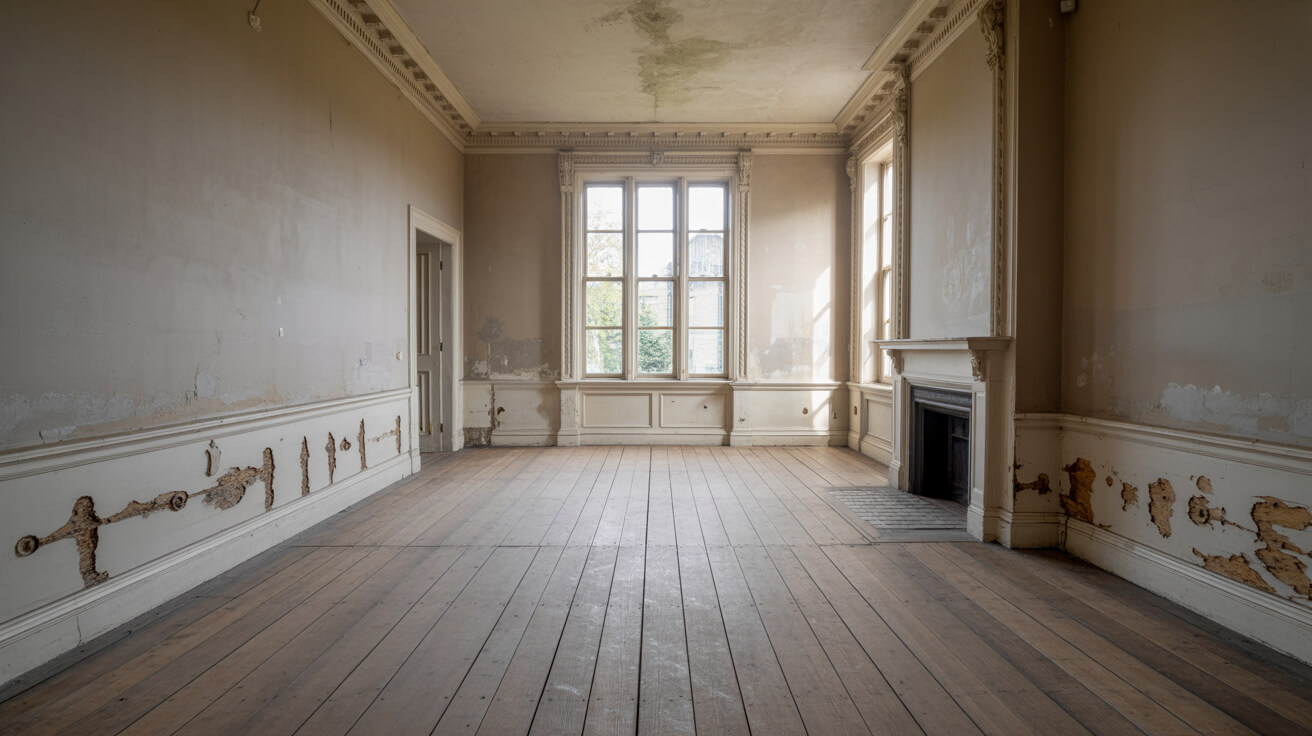
Proactive prevention is the heart of modern asset management. The best outcomes are achieved not by responding to failure but ensuring risk is structurally excluded as part of every ownership plan.
Integrating Prevention with Asset Management
- Schedule regular annual or semi-annual specialist surveys.
- Use digital monitoring for temperature, humidity, and early woodworm alert—especially for multi-unit or high-risk sites.
- Document every inspection, treatment, and aftercare action to support insurance, grant, and sale needs.
- Choose eco-compliant, health-forward treatments for new interventions—especially for heritage and sensitive sites.
Table: Preventive Methods Matrix
| Prevention Method | Best For | Frequency | Documentation Type |
|---|---|---|---|
| Specialist survey | All properties | Annual | Insurance/Grant/Let |
| Digital environmental log | Multi-site/Portfolio | Continuous | Internal/managerial |
| Visual owner checklist | Owner-occupied, modern | Monthly | Owner log/checklist |
| Post-remedial aftercare | Any previously treated | Per agreement | Warranty/inspection |
Competitive Edge: Regulatory and Sustainability Leadership
Competitive managers document risk management fully, integrate ‘green’ treatments and digital monitoring, and never risk tenant or insurance disputes by skipping specialist oversight.
“The safest timber is the timber that’s checked and logged, not just repaired.”
Book Your Free Consultation With Insitu Building Preservation & Damp Proofing Specialists Today

Proactive risk management is the hallmark of every forward-thinking owner or manager. The step that unlocks peace of mind is a documented, specialist survey, issued with every technical, legal, and operational base covered.
Insitu Building Preservation & damp proofing Specialists issue property-specific solutions, compliance-grade paperwork, long-term aftercare, and the assurance only accreditation and reputation can bring. Ownership is now about security, foresight, and responsible stewardship—a standard you can meet with a single, immediate action.
